
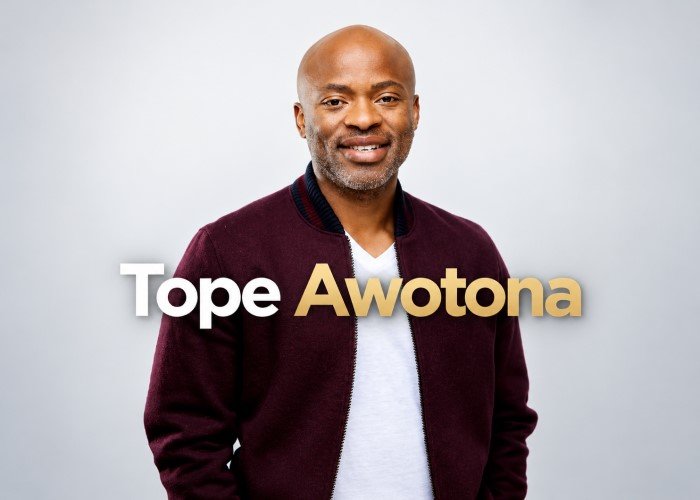
Tope Awotona is a Nigerian-born American businessman who founded Calendly, a popular online meeting platform. His journey from Lagos to the American technology industry is a story of loss, hard work and sound business judgement. Before creating Calendly in 2013, he worked in software sales and started three ventures that failed. He later put much of his savings into a simple idea: helping people arrange meetings without endless emails. That decision changed his life. By October 2026, Forbes valued his personal fortune at $1.4 billion. Yet his career is about more than wealth. It shows how one common problem can become the basis of a global company.
Tope Awotona Quick Bio
| Field | Details |
|---|---|
| Full name | Tope Awotona |
| Birth year | 1981 |
| Birthplace | Lagos, Nigeria |
| Age in 2026 | 45 |
| Birthday | 4 May, according to Wikipedia |
| Nationality | Nigerian-American |
| Heritage | Yoruba |
| Occupation | Businessman and software entrepreneur |
| Known for | Founding Calendly |
| Company founded | 2013 |
| Position | Founder and chief executive |
| Education | University of Georgia |
| Degree | Business administration |
| Specialist subject | Management information systems |
| Graduation | 2002 |
| Marital status | Married |
| Wife’s name | Not publicly confirmed |
| Children | Two |
| Home city | Atlanta, Georgia |
| Estimated net worth | $1.4 billion, October 2026 |
Tope Awotona’s Early Life and Parents
Tope Awotona was born in Lagos, Nigeria, in 1981 and grew up in a family that valued education and enterprise. His father worked as a microbiologist before starting his own business. His mother held a senior pharmacy role linked to Nigeria’s central bank. Business was therefore familiar to him long before he created a software company.
A Childhood Marked by Loss
When he was 12, his father was killed during a carjacking. The young boy witnessed the tragedy, and the experience stayed with him. He has spoken about wanting to finish what his father never had the chance to achieve. That wish became one source of his drive to build a lasting business. He grew up with three brothers, and his mother played a central role in guiding the family after their loss.
Moving to America and His Education
In 1996, at the age of 15, he moved with his family to Georgia in the United States. Although he had progressed quickly through school in Nigeria, his mother wanted him to spend more time adjusting to American life before attending university. He studied at Wheeler High School in Marietta.
In 1998, he entered the University of Georgia. He began with computer science but soon found that he preferred working with people. He changed to management information systems and earned a business degree in 2002. During university, he also sold home alarm systems door to door. The work taught him to face rejection, listen to customers and remain patient when results were slow.
Career Before Founding Calendly
After graduation, he built a career in sales. His employers included IBM, Perceptive Software, Vertafore and EMC. These jobs gave him experience with business technology, complex products and customer needs. They also taught him how to explain useful software to people who were not technical experts.
Three Businesses That Did Not Succeed
His first attempts at running a company were far from successful. One idea involved online dating. Another, ProjectorSpot, sold projectors. A third, YardSteals, offered home and garden products. None gained the steady customer demand needed to grow. The failures changed his thinking. Instead of starting a venture simply because a market seemed profitable, he began to focus on problems he knew well. His sales background would soon reveal one worth solving.
How Tope Awotona Started Calendly
While working at EMC, he grew tired of the emails needed to book a single meeting. One person would offer a time, the other would be busy, and the exchange would begin again. He tried existing scheduling tools but felt they were too difficult to use or poorly designed.
He spent months studying the market and speaking to possible customers. Then he worked with a software development team in Ukraine to create a smoother booking experience. Calendly launched in 2013, with roots in Atlanta’s technology community.
Taking a Financial Risk
He invested roughly $200,000 of personal resources into the venture, including money saved for retirement. It was a serious gamble because his earlier businesses had not succeeded. But this time he understood both the customer and the problem. Early financial support helped the small company continue while it built trust with users.
Why the Simple Idea Worked
Calendly lets someone share their available times through a booking page. Another person chooses a suitable slot, and the meeting can be placed on their calendars. This removes repeated emails and makes appointments easier to arrange. Every shared booking invitation also introduces the service to someone new, helping it spread without costly advertising.
Calendly’s Growth and Major Investment
The platform gained users among sales teams, recruiters, teachers, consultants and business owners. A free version made it easy to try, while paid plans offered more functions for teams and companies. The business became profitable before taking a large investment.
In January 2021, Calendly secured $350 million in funding at a valuation of $3 billion. This deal marked a major point in its history and drew fresh attention to its founder. Today, Calendly states that more than 50 million people use its tools across over 240 countries. The company also says its platform has handled more than 1.3 billion bookings.
Tope Awotona Net Worth in 2026
Forbes estimated his wealth at $1.4 billion on 31 October 2026. Most of that value comes from his stake in Calendly, rather than a known cash balance. Because the company is privately held, its market value and his personal fortune can change. The $3 billion valuation from 2021 describes the company at that time; it does not mean its founder owns $3 billion in cash. His exact salary, property holdings and personal investment accounts are not confirmed. His financial success is best explained by years of ownership, careful spending and the growth of a service that millions use.
Tope Awotona Wife and Children
He is married, but his wife’s name and their wedding date have not been confirmed by a dependable source. During an October 2026 conversation with podcast host Guy Raz, he said that the woman who had been his girlfriend was now his wife. He also said that they have two children. He keeps his family’s daily life private. There is no sound basis for naming his wife, stating her occupation or giving the children’s names. What is clear is that he values fatherhood and considers it an important change in his life.
Tope Awotona Age, Birthday and Wikipedia
He was born in 1981 and was 45 years old in October 2026. Wikipedia gives his birthday as 4 May, although that exact date lacks clear confirmation from a primary source. The site covers his childhood, education and business achievements. Its account can be useful as an overview, but details about his marriage and finances deserve extra care. His American citizenship and home base in Atlanta also feature in established business coverage. He remains closely linked to both his Nigerian roots and the city where he built his company.
Recognition, Charity and Leadership
His achievements have earned recognition beyond the business world. In 2025, he entered Georgia’s Technology Hall of Fame. The Carnegie Corporation of New York also honoured him through its Great Immigrants programme, celebrating the impact of people born outside the United States.
He and Calendly have supported causes including Black Girls Code and My Brother’s Keeper. His leadership approach puts customer needs, patience and thoughtful decisions ahead of quick success. His career also shows that talented founders can build major technology firms outside Silicon Valley. He has learned to lead teams with different skills and goals. As his company grew, his role changed from shaping one product to guiding people, planning for the future and making decisions about growth.
What’s New at Calendly in 2026?
In August 2026, Calendly introduced Callie, an AI assistant designed to help arrange meetings through email. It also launched Calendly Notetaker to capture meeting notes and follow-up tasks. The goal is to help people manage work before, during and after a meeting, not just choose a time. These changes place the business in direct competition with broader workplace tools. They also show that its founder is still developing the company rather than relying only on its original success.
The Lasting Lesson of His Journey
Tope Awotona path was not smooth. He experienced family tragedy, moved to a new country, faced rejection in sales and watched three business ideas fail. Yet he used those experiences to make a better decision when the right problem came along. Calendly succeeded because it made an everyday task easier for real people. Today, the founder remains a leading example of an immigrant entrepreneur who combined practical insight with personal courage. His greatest achievement is not simply becoming a billionaire. It is building a useful service that has changed how people organise their working lives.
