
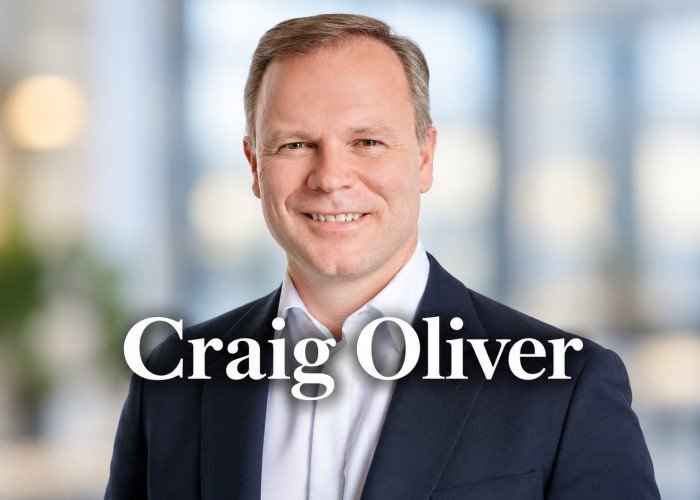
Craig Oliver built a career in two demanding British institutions: national television news and government. He edited major BBC broadcasts before becoming a trusted communications adviser to former Prime Minister David Cameron. He worked on the 2015 election and 2016 Brexit referendum. Today, he advises business leaders, while his writing explores the personal cost of success.
Craig Oliver Quick Bio
| Detail | Fact |
|---|---|
| Full name | Sir Craig Stewart Oliver |
| Born | 15 May 1969 |
| Age in October 2026 | 57 |
| Birthplace | Basford, Nottinghamshire, England |
| Nationality | British |
| Education | University of St Andrews; Cardiff University |
| Father | Ian Oliver |
| Former wife | Joanna Gosling |
| Children | Three daughters |
| Earlier romantic relationship | Lucy Thomas, discussed in 2016 press coverage |
| Current romantic partner | Not independently confirmed |
| Known for | BBC news leadership and David Cameron’s communications team |
| Current position | Co-Global Head of Strategy & Reputation, FGS Global |
| Book | Unleashing Demons: The Inside Story of Brexit |
| Podcast | Desperately Seeking Wisdom |
Early Life and Education of Craig Oliver
Born in Nottinghamshire on 15 May 1969, Craig Oliver grew up partly in Scotland. His father, Ian Oliver, was a senior police officer who served as Chief Constable of Central Scotland Police and later Grampian Police. He later chose a career in broadcasting. He attended Stirling High School, where future broadcaster Kirsty Young was a contemporary. He then studied English literature at the University of St Andrews. His interest in storytelling led him to postgraduate journalism training at Cardiff University, completed in 1992. Both subjects shaped his approach to news.
Craig Oliver’s Journalism Career
First Steps at STV, ITN and Channel 4
His first professional television work began at Scottish Television in 1992. He moved to ITN the following year, gaining experience as a trainee journalist and later working on major bulletins. He also held editorial responsibilities at Channel 4 News. These roles demanded sound judgement under pressure. From 2002 to 2006, he was head of output at ITV News. He oversaw daily news output under tight deadlines. Work on election broadcasts further strengthened his understanding of the relationship between journalism and politics.
Senior Editorial Roles at the BBC
In 2006, he joined the BBC as editor of the Ten O’Clock News. He later oversaw both the News at Six and News at Ten, two of the country’s best-known broadcasts. In 2009, he became deputy head of the BBC multimedia newsroom, and in 2010 he took a senior leadership role in BBC Global News.
He also helped direct the BBC’s coverage of the 2010 general election. He managed teams and helped explain complex events to millions of viewers. Broadcasting taught him to balance speed with accuracy, a challenge that later followed him into political communications. Newsrooms are meant to test claims and remain fair; government advisers must defend the decisions of those they serve. That difference became a central theme of his career.
Working with David Cameron at Downing Street
Appointment in 2011
In February 2011, David Cameron chose Oliver as his new director of communications following Andy Coulson’s departure. He came from the BBC rather than party politics. He took up his post later that month and remained at Downing Street until Cameron left government in July 2016.
His task was to organise the government’s messages, prepare responses to crises and help the Prime Minister communicate with broadcasters, newspapers and the growing digital media sector. It was demanding work because the coalition government faced financial pressure, public criticism and competing political priorities.
Elections and Three Referendums
During his government service, Britain held the 2011 referendum on the voting system, Scotland’s independence referendum in 2014 and the referendum on European Union membership in 2016. He was also involved in communications during the 2015 general election, when Cameron secured a Conservative majority. He timed announcements and helped politicians explain difficult decisions. His move from journalism to political advice also attracted scrutiny.
Craig Oliver and the Brexit Campaign
His Role in the Remain Campaign
The EU referendum became the defining event of his Downing Street years. Oliver worked closely with Cameron and helped shape communications for the campaign to keep Britain in the European Union. The opposing Leave campaign successfully made immigration, sovereignty and political change central issues in the national debate.
On 23 June 2016, voters chose to leave the EU. Cameron announced his resignation the following morning. For Oliver, the outcome brought an abrupt end to a high-pressure period of political service. It also exposed the limits of planned political messages.
The Book Unleashing Demons
In October 2016, he published Unleashing Demons: The Inside Story of Brexit. The book draws on notes from inside government and describes disagreements, strategic decisions and the tense atmosphere during the referendum. It offers a personal account from someone who supported Remain, rather than a detached history of the entire debate.
The book gained further attention when the Channel 4 drama Brexit: The Uncivil War was released in 2019. Actor Rory Kinnear portrayed Oliver, while Benedict Cumberbatch played Leave campaign strategist Dominic Cummings. The film contrasted their campaigning methods.
Craig Oliver’s Wife, Partner and Children
Marriage to Joanna Gosling
Oliver married BBC journalist and television presenter Joanna Gosling in 1996. The couple had three daughters. Their marriage ended after a separation in 2014. Gosling enjoyed an established broadcasting career in her own right, and both worked in demanding media roles during their marriage.
He has spoken publicly about important experiences in his life, but he keeps much of his family life away from professional interviews. His podcast biography confirms that he has three daughters and lives in West London. His children remain outside his professional work.
Lucy Thomas and Later Relationships
In October 2016, The Guardian described Lucy Thomas, a senior figure in the Britain Stronger in Europe campaign, as his romantic partner during the referendum period. That account does not establish whether the relationship continued in later years.
In a personal essay published in February 2022, Oliver described the painful end of a long-term relationship shortly before Christmas 2019. He did not identify the woman in that account, so it would be wrong to connect those events to Thomas without further evidence. His present romantic circumstances and any later marriage have not been independently confirmed.
Life After Politics and His Current Career
Consultancy at Teneo and FGS Global
After leaving government, he became a senior managing director at consultancy firm Teneo. Official UK records show that his move was reviewed under rules designed to protect confidential government knowledge and limit lobbying after public service. He later joined FGS Global, where he advises major businesses on communications, reputation and leadership challenges.
As of October 2026, he is Co-Global Head of Strategy & Reputation. In May 2026, the firm announced that Justin Dini would share leadership of the division with him. Dini is his professional colleague, not a confirmed romantic partner. Their work focuses on helping leaders respond to change, protect trust and communicate difficult choices.
Knighthood and Community Work
Oliver received a knighthood in David Cameron’s 2016 resignation honours for political and public service. This is why his formal name carries the title Sir. He has also served as a trustee of Make-A-Wish UK, a charity supporting children with serious illnesses.
The Podcast and a More Personal Side
Desperately Seeking Wisdom
His podcast, Desperately Seeking Wisdom, takes a different direction from his political work. Instead of debating the latest Westminster dispute, he speaks with guests about mistakes, grief, resilience and finding satisfaction in ordinary life. Guests have included writers, journalists, politicians and performers.
Oliver has explained that the end of the Brexit campaign did not bring the peace he expected. Later pressure at work and a painful relationship breakdown pushed him to question the belief that achievement alone makes someone happy. In 2025 and 2026, he continued exploring these ideas through personal essays about work, emotional health and perspective.
What His Experience Teaches
His career highlights a useful contrast. Professional success may bring influence and recognition, but it does not remove personal challenges. Oliver now uses conversations and writing to examine how people can work with purpose without allowing pressure to control their lives. His approach also gives attention to relationships, rest and the value of admitting when a familiar way of living no longer works.
Net Worth and Public Recognition
His personal net worth has not been verified through reliable financial records. Senior jobs in broadcasting, politics and consultancy do not provide enough evidence to calculate private wealth. Giving an exact figure would be misleading. His achievements include BBC leadership, Downing Street service, a Brexit book and international consultancy.
Conclusion
Craig Oliver’s path from newsroom editor to government adviser and business strategist offers a view of how Britain communicates during major events. His work with Cameron made him part of a defining chapter in recent political history, while his later projects show interests beyond professional status. At 57, he remains active in strategic communications and continues to explore the harder questions of work, relationships and personal fulfilment.
